
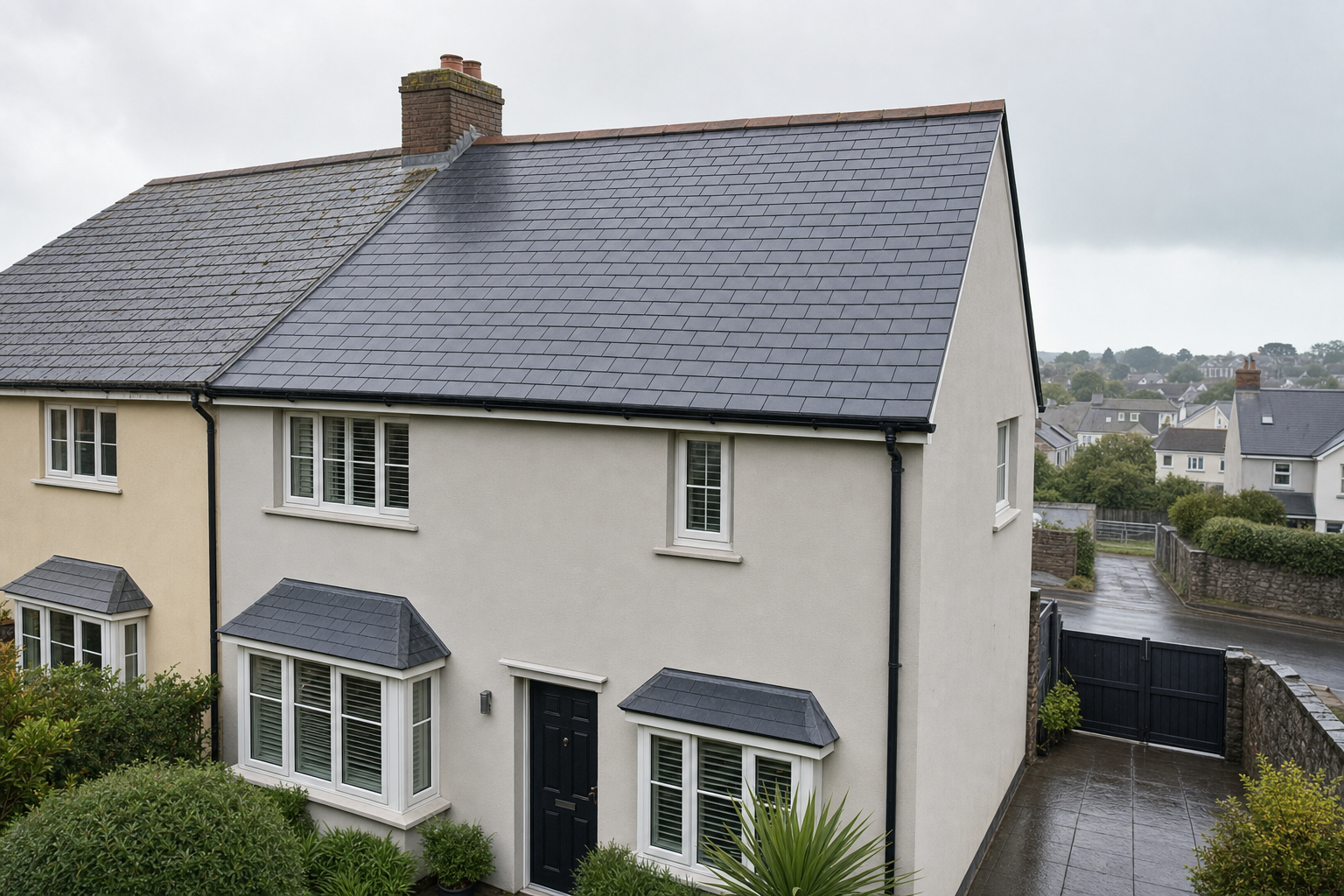
How storm repair should be handled
The damage mapped clearly
We check the affected roof area properly instead of stopping at the obvious bit.
Weather exposure reduced
The repair plan focuses on the openings and loose parts that matter most first.
Useful event details considered
Knowing when the storm hit can help link new symptoms to the damaged section.
What matters straight after storm damage
After high winds, driving rain or flying debris, the first job is not heroics on a ladder. It is making sure everyone stays safe, limiting further water ingress where possible and getting the roof assessed properly. Damage seen from the ground can be only part of the story, especially if coverings have shifted higher up or ridges have been disturbed. We repair storm-related roof damage for homeowners in Plymouth who need a clear picture of what the weather has actually done. With CJ Roofing SW Ltd, we focus on the vulnerable openings and displaced parts that leave the roof exposed once the storm has passed.
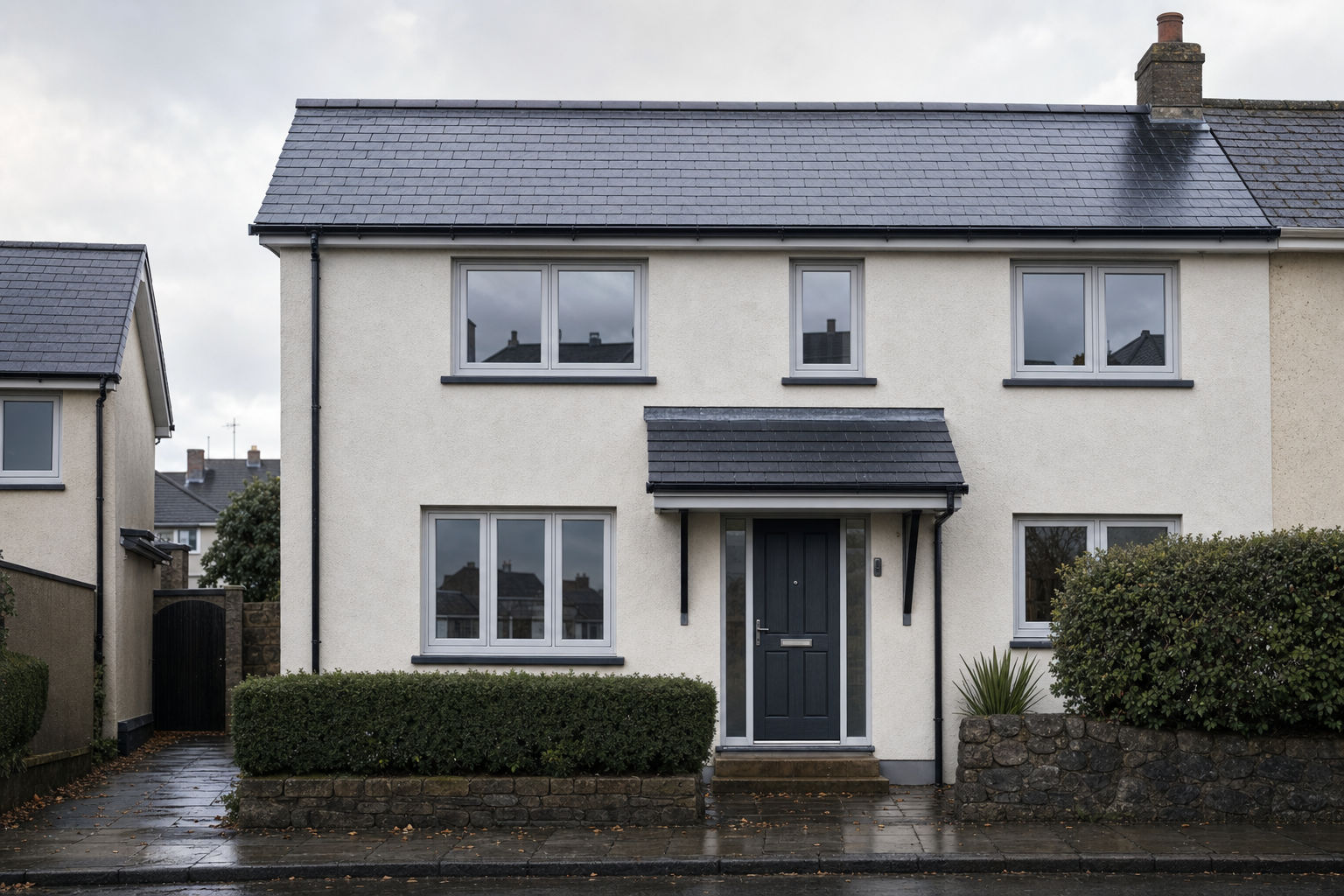
From visible damage to a durable repair
A proper repair starts with identifying the affected areas, not guessing from the first loose tile you can see. We look at lost coverings, exposed sections, ridge movement and the points where water may now be entering the roof. A quote from CJ Roofing SW Ltd explains the repair scope in plain terms, with the aim of a durable permanent fix once the condition of the roof is understood. It also helps if you can tell us when the weather event happened and what symptoms followed, because those details often narrow the search faster than you might think.
Frequently asked questions
What should we do first after storm damage?
Put safety first and avoid going onto the roof yourself. If water is coming in, take sensible steps indoors to limit damage and then arrange for the roof to be assessed. Storm damage is not always limited to the most visible area, so a proper inspection helps show the real extent of the problem.
Can the damage be worse than it looks from the ground?
Yes. A roof can lose coverings, loosen ridges or open up around details that are hard to judge from below. What looks like one missing piece can sometimes hide movement in the surrounding area. That is why the repair should be based on an inspection rather than a quick guess from street level.
What information helps before the inspection?
It helps to know when the bad weather occurred, what changed afterwards and where you have seen internal or external signs of damage. Photos are useful too. Those details can guide the inspection towards the right part of the roof and make it easier to understand what the storm is likely to have caused.